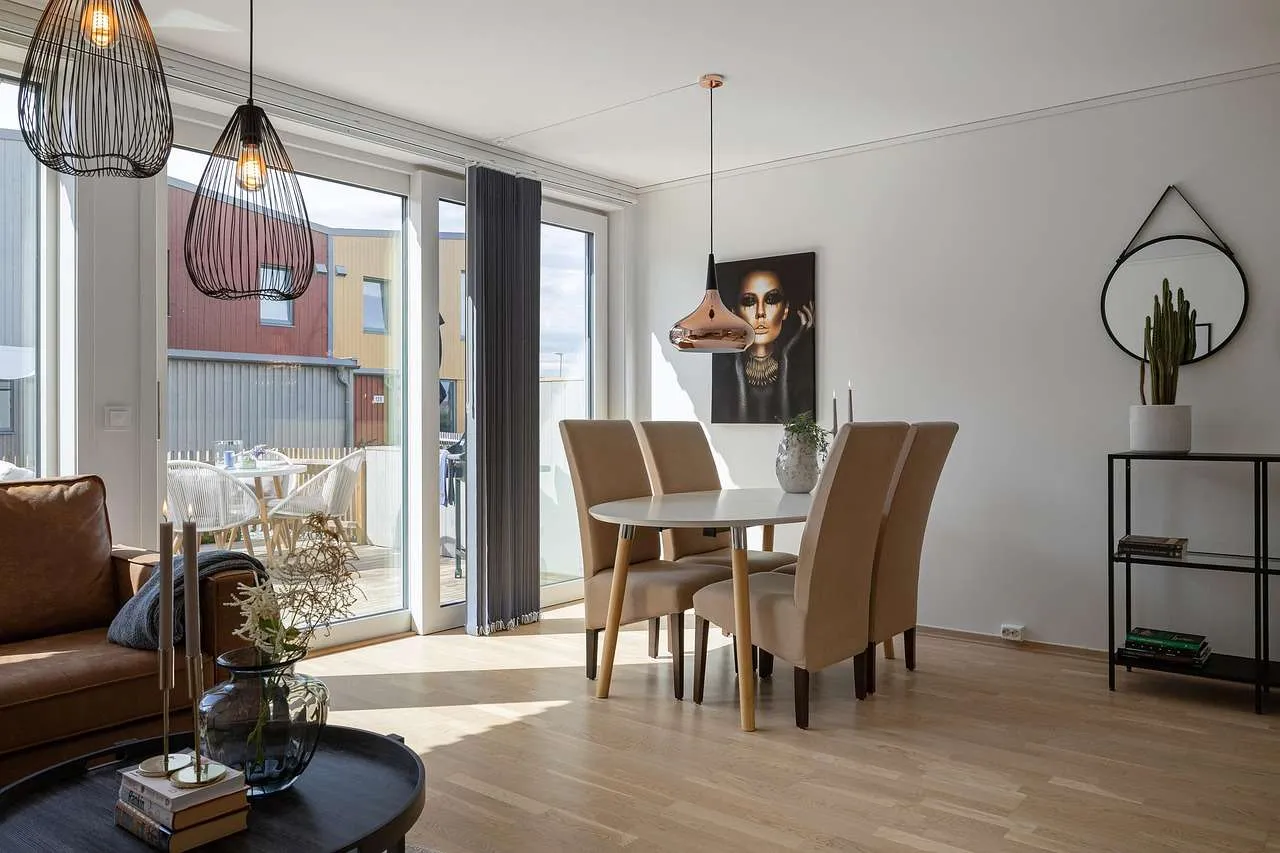
Home window tinting involves applying a thin film to glass surfaces to reduce heat transfer, block ultraviolet (UV) rays, and improve comfort and privacy. For many households, a well-chosen tinting solution can lower cooling costs, protect furnishings from sun damage, and create a more enjoyable living space. This guide explains the core options, costs, and how to select a trustworthy installer—addressing both the practical and trust-building aspects of a smart home upgrade.
Why homeowners consider window tinting
There are several compelling reasons to tint residential windows. First, heat rejection lowers air conditioning demand, especially in sunny climates. Second, UV protection helps prevent fading of floors, furniture, and artwork. Third, window film provides daytime privacy without sacrificing natural light. Finally, modern films preserve views and improve comfort by reducing glare. When paired with a professional install, these benefits are durable and likely to outpace the initial investment over time.
Types of window tint films
Different films offer varying levels of heat rejection, light transmission, and durability. The right choice depends on climate, budget, and whether you prioritize privacy, glare reduction, or electronics compatibility.
Dyed films
Dyed films are among the most affordable options. They provide noticeable tint and privacy but offer modest heat rejection compared with premium films. They are non-reflective and do not interfere with electronics, though they may be more prone to color fading over time.
Metalized (reflective) films
Metalized films reflect a portion of solar energy, delivering strong heat rejection. They can reduce glare and improve comfort but may interfere with radio, cellular, or Wi-Fi signals in some cases. They also tend to have a more noticeable reflectivity, which can affect curb appeal depending on the home style.
Ceramic films
Ceramic films are high-performance options that are non-conductive and offer excellent heat rejection with minimal interference to signals. They maintain better visible clarity and preserve natural light, making them popular for modern aesthetics and energy efficiency.
Carbon and carbon-embedded films
Carbon films reduce infrared transmission without a highly reflective appearance. They balance good heat rejection with a non-glare, natural look, often at a mid-range price point.
Ceramic nano and premium blends
Advanced ceramic nano films provide top-tier heat denial, UV protection, and long-term durability. These are typically the most expensive options but offer the best energy savings and clarity for large windows or glass doors.
Costs and return on investment
Costs vary by film type, window size, glass type, and labor. A typical residential project ranges from a few hundred to several thousand dollars, depending on how many windows are treated and the film chosen. Expect higher upfront costs for ceramic or nano-ceramic films, but many homeowners see significant energy savings and extended interior life of furnishings. Durable films often include long warranties that amplify total ROI over 10–20 years.
Installation: DIY vs. professional
While DIY tint kits exist, most homeowners achieve better, longer-lasting results with professional installation. Pros ensure bubble-free application, edge sealing, and warranty coverage. A trained installer also helps assess glass type (single-pane vs. double-pane, tempered vs. laminated) and suggests the best film for won’t-void warranties or coatings on the glass.
EEAT: selecting a trusted installer
To align with Experience, Expertise, Authority, and Trust (EEAT), look for installers who provide clear credentials, a detailed written proposal, and verifiable references. Ask about the installer’s licenses and insurance, film brands they trust, warranty terms, and a portfolio of before/after photos. Request written specifications for the exact film, VLT (visible light transmission), UV rejection, and expected longevity. A reputable pro will offer transparent pricing and a site visit to measure windows accurately.
Legal considerations and energy impact
Some regions regulate minimum or maximum luminance for residential tinting. Before purchasing, check local codes to ensure compliance. In addition to legal considerations, components such as UV protection and solar heat gain coefficients influence energy performance. A professional can translate technical specs into real-world savings for your climate, orientation, and home insulation.
Maintenance and longevity
Cleaning should be gentle: use soft cloths or squeegees and a mild, non-ammoniated cleaner. Avoid abrasive pads and rough scrubbing, which can scratch or lift edges. Most films last 10–20 years with proper care and professional installation, though performance declines can occur from improper cleaning or extreme substrate movement.
Comparison of common film types
| Film Type | UV Rejection | Visible Light Transmission (VLT) | Durability | Pros | Cons | Typical Cost (per sq ft) |
|---|---|---|---|---|---|---|
| Dyed | High (UV) | 5–15% | Moderate | Affordable, good privacy | Color fading possible | $5–8 |
| Metalized | High (UV) | 5–20% | Good | Strong heat rejection, glare control | Signal interference potential | $6–9 |
| Ceramic | Excellent | 30–60% | Excellent | Best overall performance, clear view | Higher cost | $8–12 |
| Carbon | Excellent | 20–60% | Good | Non-reflective, good heat rejection | Moderate price | $7–12 |
| Ceramic Nano | Excellent | 30–60% | Excellent | Top-tier performance, long warranty | Highest cost | $12–16 |
How to choose an installer
Ask for a portfolio, references, and a detailed written estimate. Verify the brand of film, warranty terms (film and installation), and the expected lifetime under local climate conditions. Request a pre- and post-installation inspection to ensure glass integrity and a clean finish. A trustworthy installer will also discuss maintenance and local regulatory compliance as part of the service.
Conclusion
Conclusion, home window tinting offers meaningful benefits in comfort, privacy, UV protection, and energy savings when paired with a reputable professional. By understanding film types, costs, and installation considerations—and by verifying credentials and warranties—you can choose the right solution for your climate and home. A careful decision today can protect furnishings, reduce cooling loads, and preserve clear views for years to come.