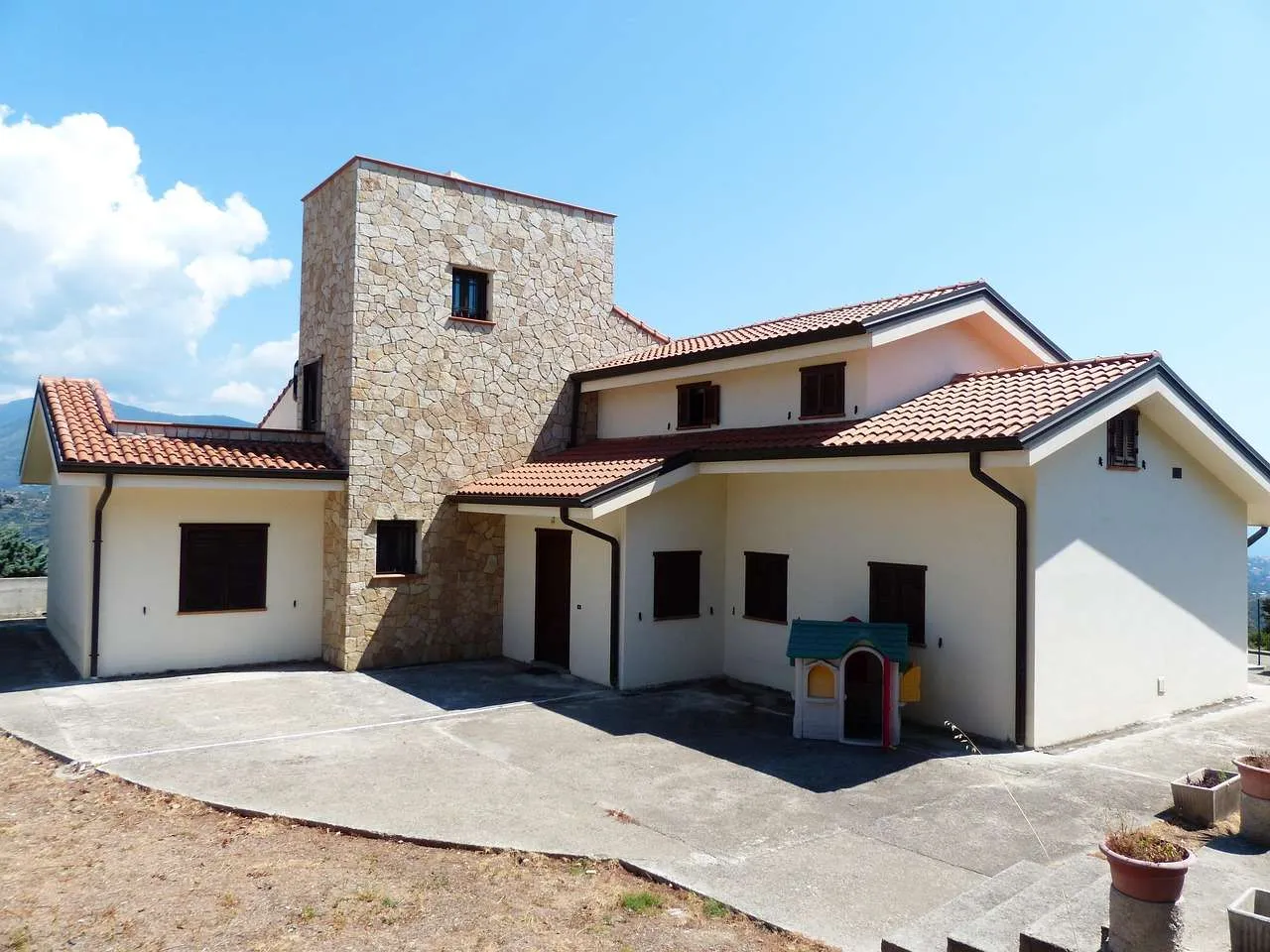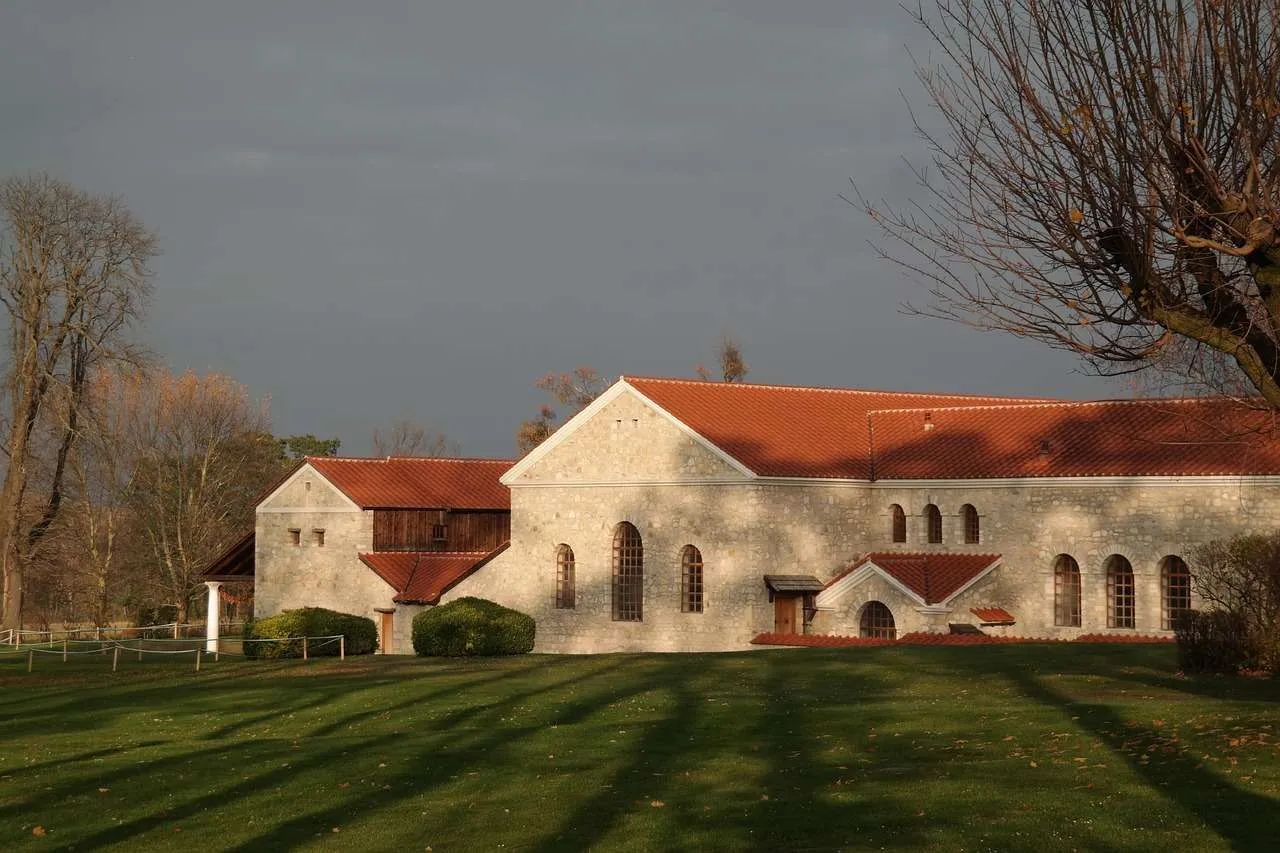
Your roof is more than a shelter; it protects your home, family, and belongings. When roofing shows signs of wear or leaks, timely roof repairs protect your investment and preserve energy efficiency. This guide explains roofing and roof repairs, how to recognize problems, options for fixing them, and how to choose a qualified contractor to ensure compliance with EEAT standards.
Understanding roofing and roof repairs
Roofing refers to the system that covers the building and includes shingles, underlayment, flashing, vents, and decking. Roof repairs are targeted fixes to address leaks, damaged components, or wind or hail impact without replacing the entire system. Regular inspection and maintenance are essential to extend life and maintain performance. Common roof types include asphalt shingles, metal, tile, and flat roofs, each with its own repair considerations.
Common roof types and repair considerations
- Asphalt shingles easy to repair; damaged shingles can be replaced individually.
- Metal roofs resist leaks but flashing and fasteners may require replacement.
- Tile roofs need careful handling; cracked tiles require replacement and substrate inspection.
- Flat roofs rely on waterproof membranes and drainage; seams and flashing commonly need repair.
Signs you need roof repairs
Look for visible damage and performance issues. Early detection saves cost and prevents interior damage.
- Missing or curled shingles
- Visible leaks or water stains on ceilings or walls
- Dark or wet attic insulation, or mold growth
- Damaged flashing around chimneys, vents, or skylights
- Excess granules in gutters or downspouts
How roof repairs are performed
Most repairs begin with a professional inspection, followed by a clear written plan and a safety focused approach. Small repairs can be completed in a few hours; more extensive issues may require multiple visits.
Typical repair methods include:
- Shingle replacement and resealing to restore weather resistance
- Flashing repair around chimneys and vents to stop leaks
- Sealant and underlayment patching for minor penetrations
- Decking repair or replacement if the sheathing is damaged
- Vent and gutter adjustments to improve drainage
Costs and budgeting for roofing and roof repairs
Costs vary by roof type, extent of damage, and local labor rates. A professional assessment provides a starting point for a written estimate. Expect costs to include materials, labor, disposal, and any permits required.
Typical cost ranges (illustrative)
- Minor leak patching: low hundreds
- Shingle replacement: several hundred to over a thousand per area
- Flashing repair: some hundreds to over a thousand
- Decking repair: hundreds to a few thousand
- Partial patch vs full replacement: depends on area and roof age
Choosing a professional roofing contractor
To comply with EEAT, select a contractor with proven expertise and accountability.
- Ensure proper licensing and insurance, including general liability and worker compensation
- Ask for written estimates with scope and materials
- Check references and recent projects, and review warranties
- Verify safety practices and site cleanup standards
- Compare long term value over upfront cost
Maintenance to extend roof life
Preventive maintenance reduces the frequency and cost of repairs. Schedule an annual or biannual inspection, clean gutters, trim overhanging branches, and address damage promptly after storms.
Repair options comparison
| Repair Type | What It Covers | Typical Cost Range | Pros | Cons |
|---|---|---|---|---|
| Minor leak patch | Seal small penetrations and loose seams | $150–$400 | Low cost, quick fixes | Temporary; larger issues may persist |
| Shingle replacement | Replacing damaged shingles | $300–$1,200 per area | Restores weather protection | May require matching shingles |
| Flashing repair | Repair or reseal around chimneys vents | $300–$1,000 | Stops leaks at joints | Quality depends on flashing material |
| Decking repair | Repair or replace damaged roof decking | $500–$2,500 | Prevents structural failure | More invasive, higher cost |
| Partial patch vs full roof patch | Address localized damage vs overall replacement decision | $1,000–$5,000 | Cost effective if damage is limited | Not suitable for widespread wear |
Conclusion, effective roofing and roof repairs start with a professional inspection, licensed contractors, and clear warranties. Regular maintenance and prompt repairs protect your home, save costs, and extend roof life.